


Events & News /
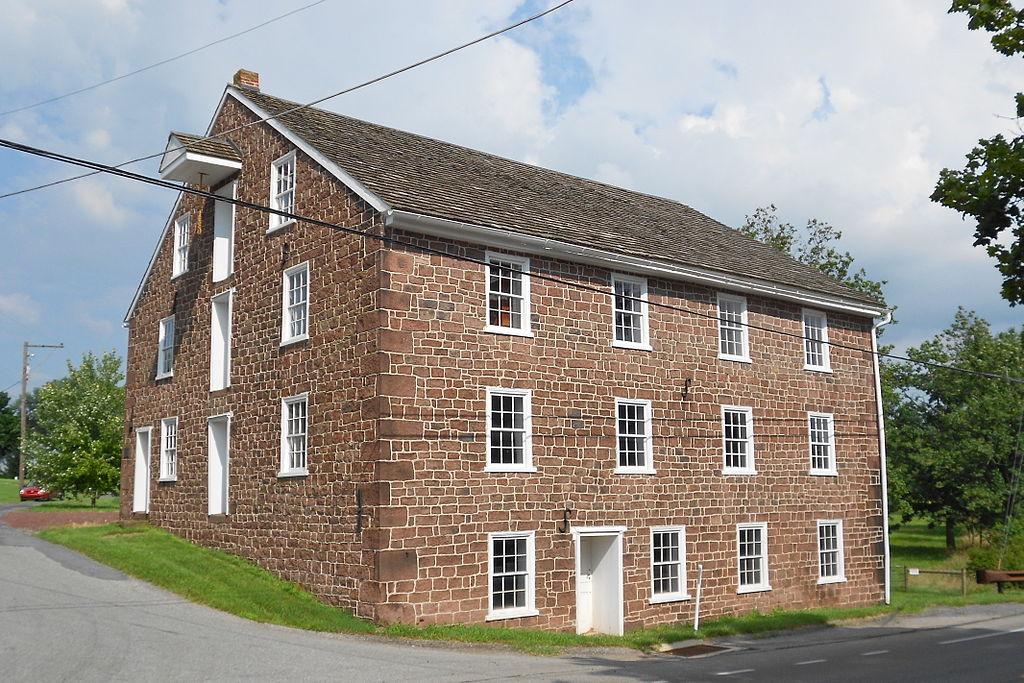
Experience the Historic Bowmansville Roller Mill on April 18
CLICK HERE to register. Are you ready for a journey back in time? Mark your calendars for Saturday, April 18, 2026, because the Historic Preservation Trust of Lancaster County is inviting you to experience the magic of the 1850 Bowmansville Roller Mill. From noon to 5 pm, visitors will have the unique opportunity to step…
2026 C. Emlen Urban Award Winners
Historic Preservation Trust of Lancaster County Announces 2026 C. Emlen Urban Award Recipients This year marks the 60th anniversary of the Historic Preservation Trust of Lancaster County whose mission is “To preserve and protect Lancaster County’s rich historic and architectural character through education, advocacy and direct action.” These annual awards recognize outstanding efforts in historic…
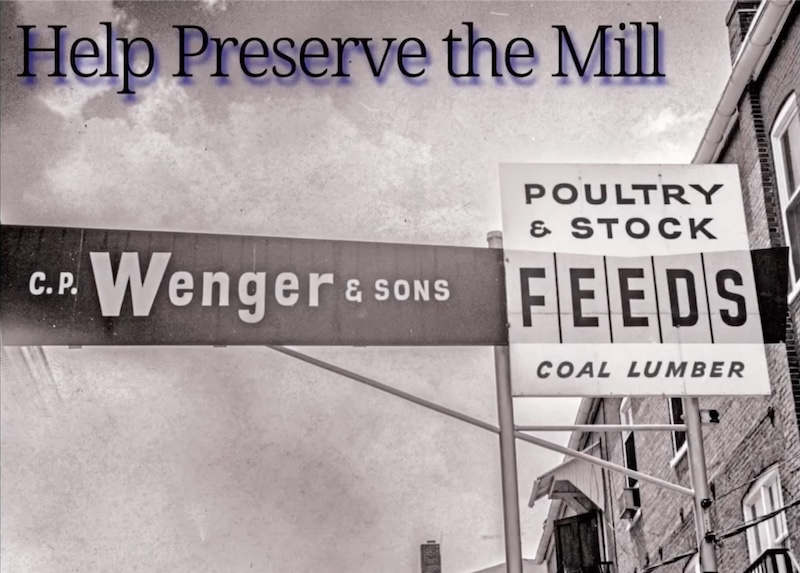
Preserve the Wenger Feed Mill in Ephrata
The Wenger Feed Mill at 27 E Main Street-a contributing building in the Ephrata Commercial Historic District-is threatened with demolition. Built as part of the Sener Brothers Lumber and Coal Yard, this brick warehouse survived the 1924 fire and continues to tell the story of Ephrata’s resilience. The Historic Preservation Trust of Lancaster County urges adaptive reuse rather…
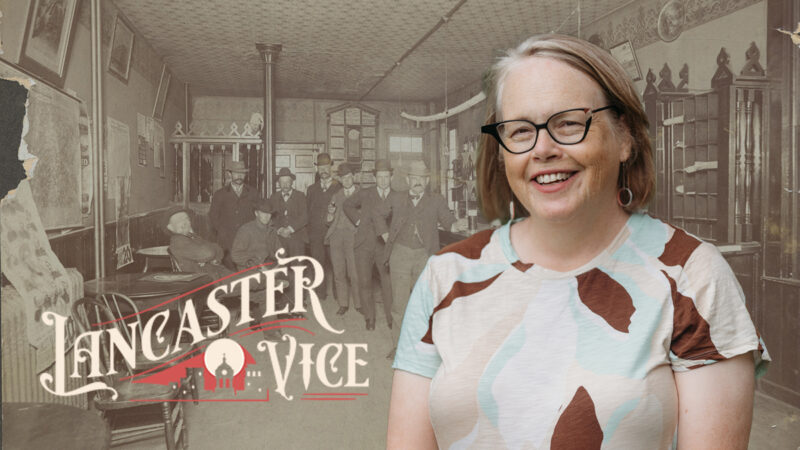
October Speaker Series: The Geography of Vice in Lancaster a Century Ago
Date: Wednesday, October 15, 2025Time: Doors open at 6:00 PM; presentation begins at 6:30 PMLocation: Sehner-Ellicott-von Hess House, 123 North Prince Street, Lancaster, PAAdmission: By donationSeating: Limited to 40 attendees – registration strongly encouraged! Lancaster’s Surprising Past Today, Lancaster is known for its historic architecture, rich cultural traditions, and small-town charm. But a century ago,…
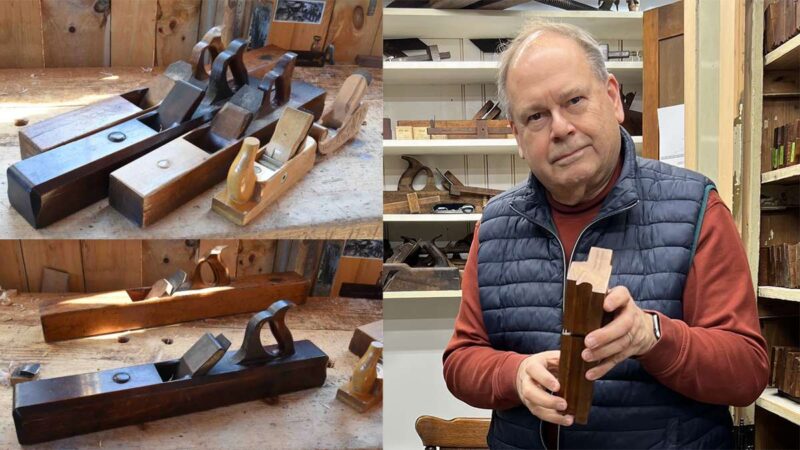
Sip, Savor, & Learn: Carpentry Tools that Built Lancaster
Wednesday, September 10, 2025 | 5:30 PMSehner-Ellicott-von Hess House, 123 North Prince Street, Lancaster, PA$37.50 per person | Limited to 40 guests Join the Historic Preservation Trust of Lancaster County for our September installment of the Sip, Savor, & Learn Speaker Series as we uncover the fascinating world of early carpentry and the tools that…
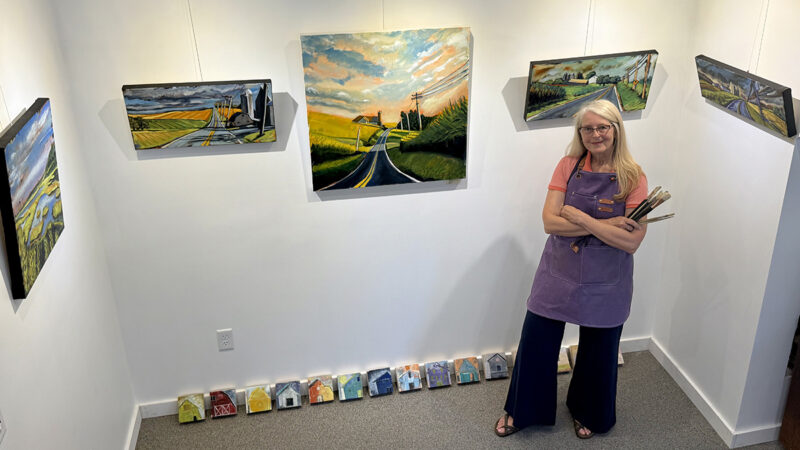
‘Barn Again’ First Friday at the Ellicott House with Lisa Troupe
Join Lancaster County artist Lisa Troupe for a September 5th First Friday artist reception at the historic 1787 Sehner-Ellicott-von Hess House featuring small, whimsical works rooted in the Japanese aesthetic of wabi sabi, embracing the beauty of imperfection. Each 6” x 6” panel is an exploration of layered surfaces that are scraped, obscured, and revealed…
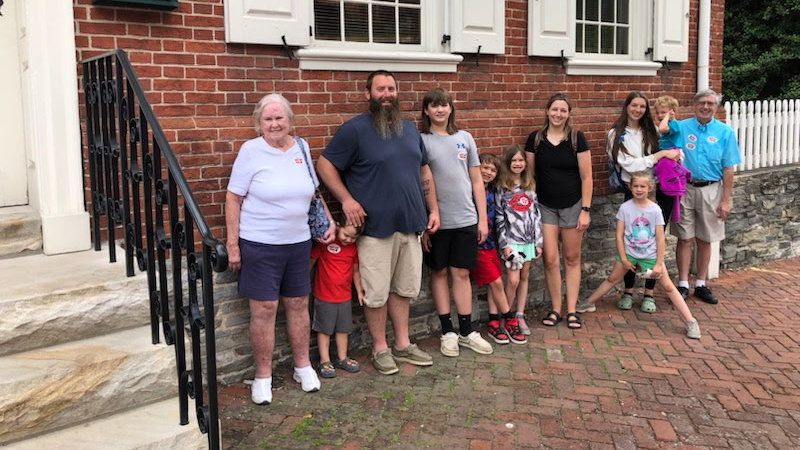
When History Comes Home: Descendants of Gottlieb Sehner Visit the Historic Trust Headquarters
In June, the Historic Preservation Trust of Lancaster County welcomed some very special guests through the doors of our headquarters on North Prince Street—four generations of descendants of Gottlieb Sehner II, the original builder of the house we now call home. It was a moment that felt like history folding back on itself. For the…
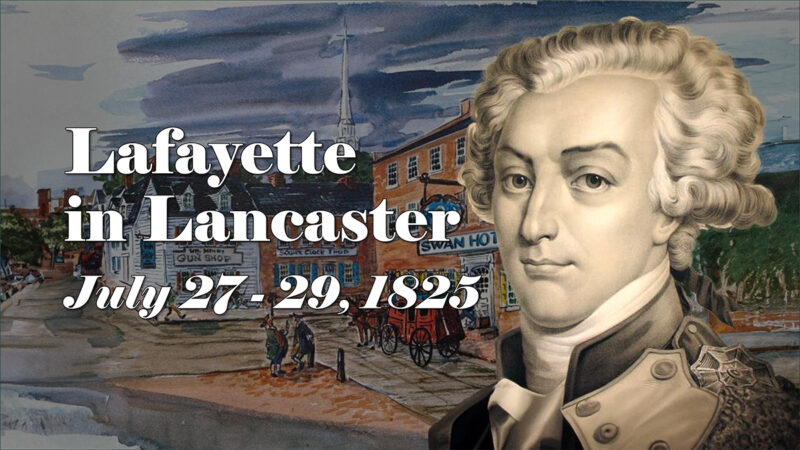
Retracing Lafayette’s 1825 Journey Through Lancaster County
In July 1825, the Marquis de Lafayette—revered French hero of the American Revolution—made a historic visit to Lancaster County as part of his famed “Farewell Tour of America.” At the age of just 19, Lafayette had crossed the Atlantic to fight for American independence, forging a lasting bond with the young nation. Wounded at the…
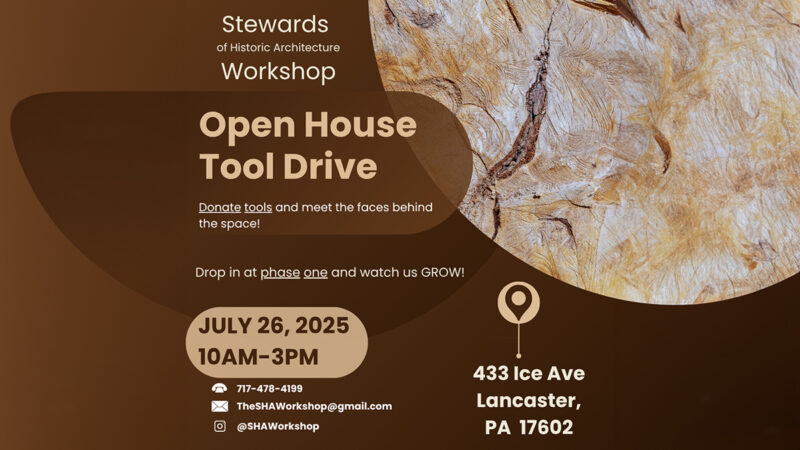
SHAWorkshop Open House & Tool Drive
🛠️✨ Exciting things are happening in Lancaster! The Historic Preservation Trust of Lancaster County is proud to be the fiscal sponsor for SHAWorkshop during its initial phase—and you’re invited to be part of it! 📆 Join us Saturday, July 26, 2025, for an Open House & Tool Drive📍Tour the space🤝 Meet the team🧰 Donate tools💬…
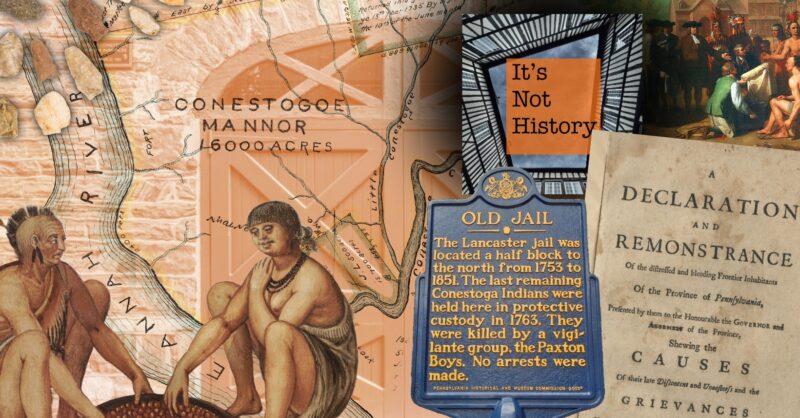
August 2025 Speaker Series featuring Charles Stewart
What really happened to the Native American tribe for whom our local rivers—the Conestoga and Susquehanna—are named? Join the Historic Preservation Trust of Lancaster County on Wednesday, August 13, for an evening of discovery as we welcome local author, researcher, and podcast host Charles Stewart for our August Speaker Series presentation. 📅 Date: Wednesday, August…